




Used Watch: Reference, Documents and Checks Before Buying
What information to gather, how to read the included documents and accessories, and what to ask the seller and a professional examiner
Before buying a used watch, gather the full reference, the available documents and the service history. Compare the information with the watch being offered and prepare the checks to entrust to a specialist.
To start, ask what identifies the model and what evidence relates specifically to that example. A description, a photograph and a warranty card answer different questions: reading them together helps you understand what still needs to be established before deciding.
Three steps to prepare for a discussion with the seller
- Ask for the full identification details. Note the brand, model and stated reference. Ask which identifying numbers are available on the watch and in the documents, and how they can be compared during an examination. Do not open the case yourself to look for them.
- Ask for an itemised list of what is included. Ask which documents come with the sale, who issued them and which watch they refer to. Request legible photographs, with any unnecessary personal details obscured. A phrase such as “with papers” still leaves it unclear which documents are included.
- Reconstruct the service history and agree on an examination. Gather any available invoices or service reports, along with dates and descriptions of replaced parts. Before committing, clarify with the seller how to arrange a professional inspection and what it should cover.
The result of these steps is a file to discuss: the stated identification, the documents received and the open questions. If something is missing, note it explicitly rather than filling in the story by assumption.
Reference and watch numbers: what information to look for
Use the full reference to compare listings; separately gather the numbers that can link the documents to the specific watch. Ask the professional who will examine the watch which identifiers are relevant for that brand and model.
An example of the level of precision required comes from Patek Philippe: in its FAQs, the manufacture describes the Certificate of Origin as the document delivered with a new watch, bearing the movement, case and reference numbers. This describes that brand's document; it should not automatically be taken to apply to the paperwork supplied by every manufacturer.
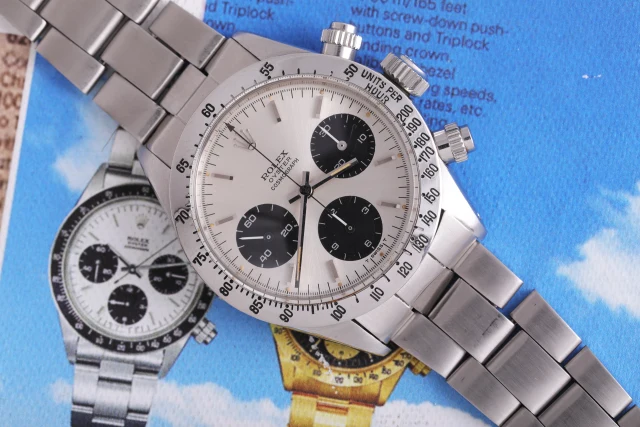
On OldTime24, the listing titled “Rolex Daytona ref. 6265 Sigma” offers a concrete example to start from: the reference already appears in the title. This reading of the listing does not verify the watch's authenticity or whether its accompanying documents and accessories match. The useful question to ask the seller is what evidence supports that description.
How to read documents without confusing their purpose
For each document, ask what it attests to, who issued it and which identifiers it shows. Keep the answers alongside the copies you receive: a generic label such as “certificate” does not explain what a document contains.
Available material: Warranty or original document
Question to ask: Who issued it, and which watch does it refer to?
Evidence to gather: Exact document name, date, identifiers shown and any stated conditions.
Available material: Invoice or service report
Question to ask: What work is described?
Evidence to gather: Date, workshop, identification details shown and any parts replaced.
Available material: Archive extract
Question to ask: Which details come from the archives, and what checks does the service include?
Evidence to gather: The document's contents and the manufacturer's official explanation.
Available material: Certificate of authenticity
Question to ask: Who examined the watch, and what was the scope of the examination?
Evidence to gather: Issuer, date, identifiers, checks described and any limitations.
Patek Philippe distinguishes the extract, described as a partial transcription of its archives, from the Certificate of Origin. For a different service, Vacheron Constantin's Certificate of Authenticity, the maison requires its Heritage Department experts to physically examine the watch. These two examples help you ask precise questions about the service named by the seller, without assuming that all documents serve the same purpose.
What to ask when you read “certified” or “serviced”
Always ask for the name of the programme or the service provider. Find out which checks were carried out, when they took place and which documents describe them.
The Rolex Certified Pre-Owned programme, for example, applies to watches offered by participating authorised retailers and includes a specific seal and a guarantee card. Seeing the word “certified” in a listing is not enough to attribute the watch to that programme.
For a watch described as “serviced,” ask who carried out the work, when and what work is documented. If you intend to wear the watch in water, tell the professional and ask what checks of its current condition are needed before use. A sentence in a listing does not, by itself, define the scope of a technical inspection.
A message to adapt to the watch you are interested in
“I’m interested in the watch in your listing. Could you provide the full reference, the documents included and details of any documented service work? I’d like to clarify which parts have been replaced and how to arrange a professional inspection before deciding. Could you also confirm current availability and the terms of the offer?”
Use the reply to choose your next step. If information that matters to you is missing, ask a focused follow-up question; if technical questions remain, put them to the person who will examine the watch.
Frequently asked questions
Does the reference in the title mean the watch has already been verified?
No. It is information stated in the listing, to be compared with the other evidence for the specific watch and with a professional examination.
Are an archive extract and the original document the same thing?
In Patek Philippe's FAQs, they are distinct documents. For the watch you are considering, consult the relevant manufacturer's definition of the service and read the document that is actually available.
Does OldTime24 offer the certification programmes mentioned?
The programmes mentioned belong to their respective brands. A listing on OldTime24 does not indicate participation in those programmes: ask the seller which services and documents apply to the watch being offered.
Browse the watch listings on OldTime24 and prepare questions about any missing information before contacting the seller. Listings may change; confirm the availability and documentation for the specific offer.
Galleria immagini
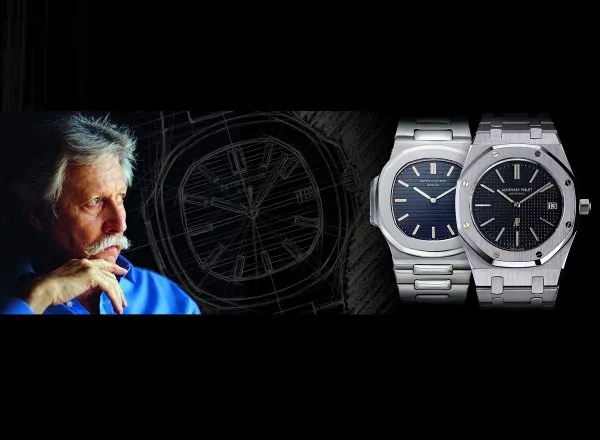
THE PRECIOUS “VARIATIONS” OF GERALD GENTA WATCHMAKING
The “ variations on a theme are the quintessence of Art. The musical genius of Johann Sebastian Bach expressed itself with the sublime Goldberg variations for harpsichord (1741-174...

Towers and bell towers
THE BELL OF HOURS It is known that people from Milan are early risers and that their working day ends very late. Azzone Visconti, who was the Lord of Milan in 1336, built the elega...
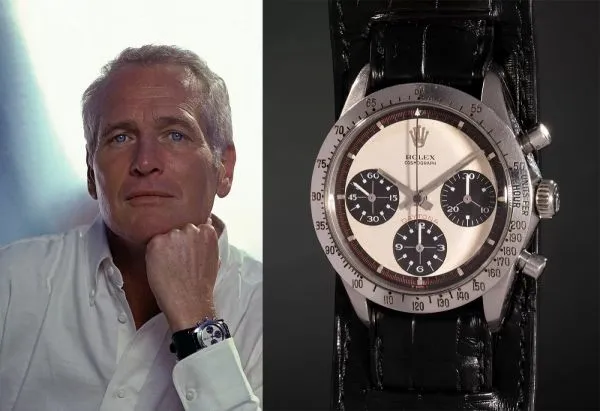
ROLEX LEADS ONE MYTH TO ANOTHER
This tautological expression a syntactic repetition that defines an object and underlines its recognized value. In summary, it implies the qualities that make this watch what it is...
Dal network
In vetrina
Selezione premium · OldTime24